Out on the tundra near Nome
While I was in Nome, I had the chance to spend time around two University of Alaska Fairbanks research efforts that, although different in focus, are deeply connected in purpose.
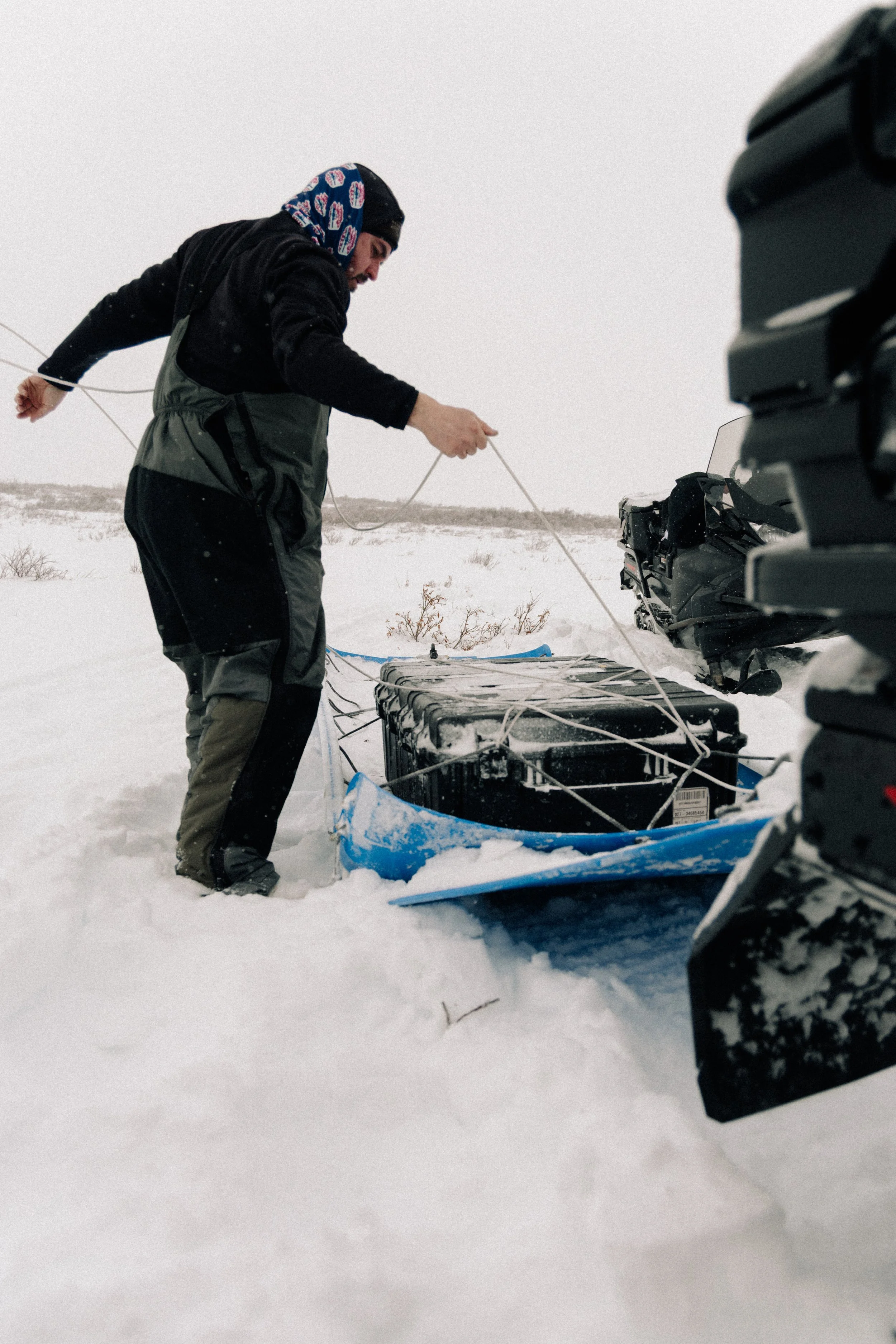
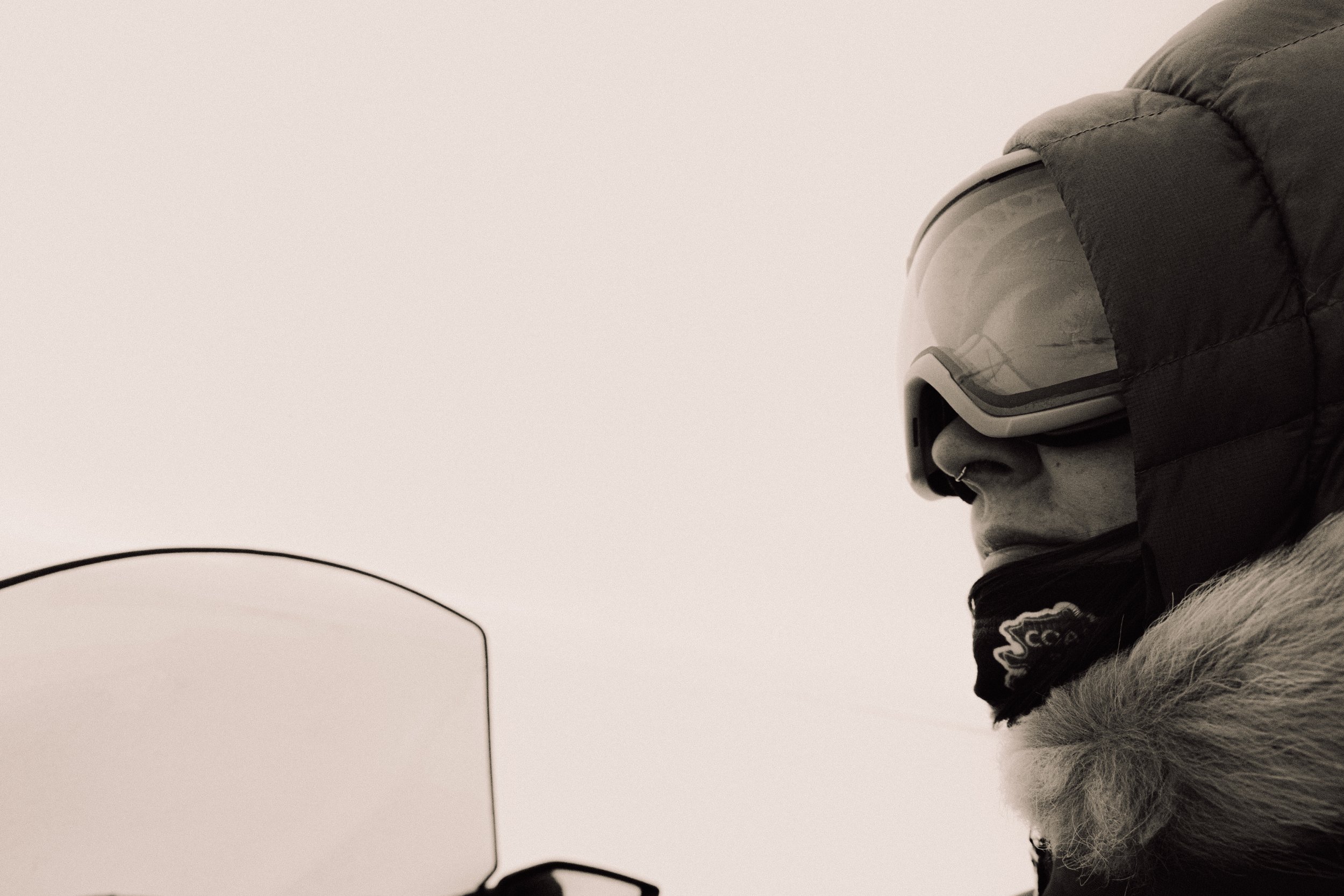
The COAST-X ,led by Benjamin Jones and Phillip Wilson, was traveling from Bethel to Barrow by snowmachine, covering roughly 120 miles a day across Alaska’s western and northern coasts while carrying the equipment and supplies needed for a journey of that scale.
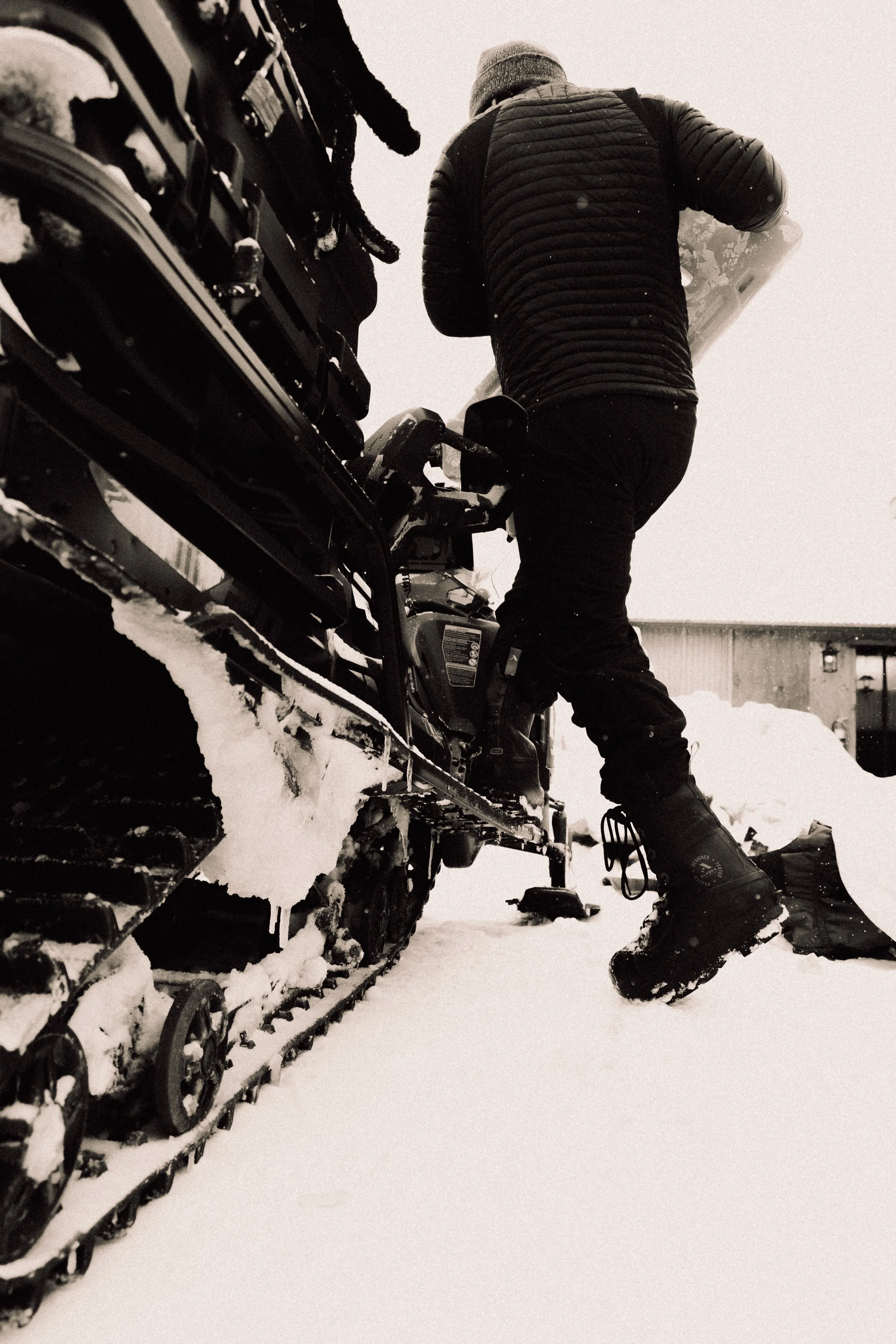
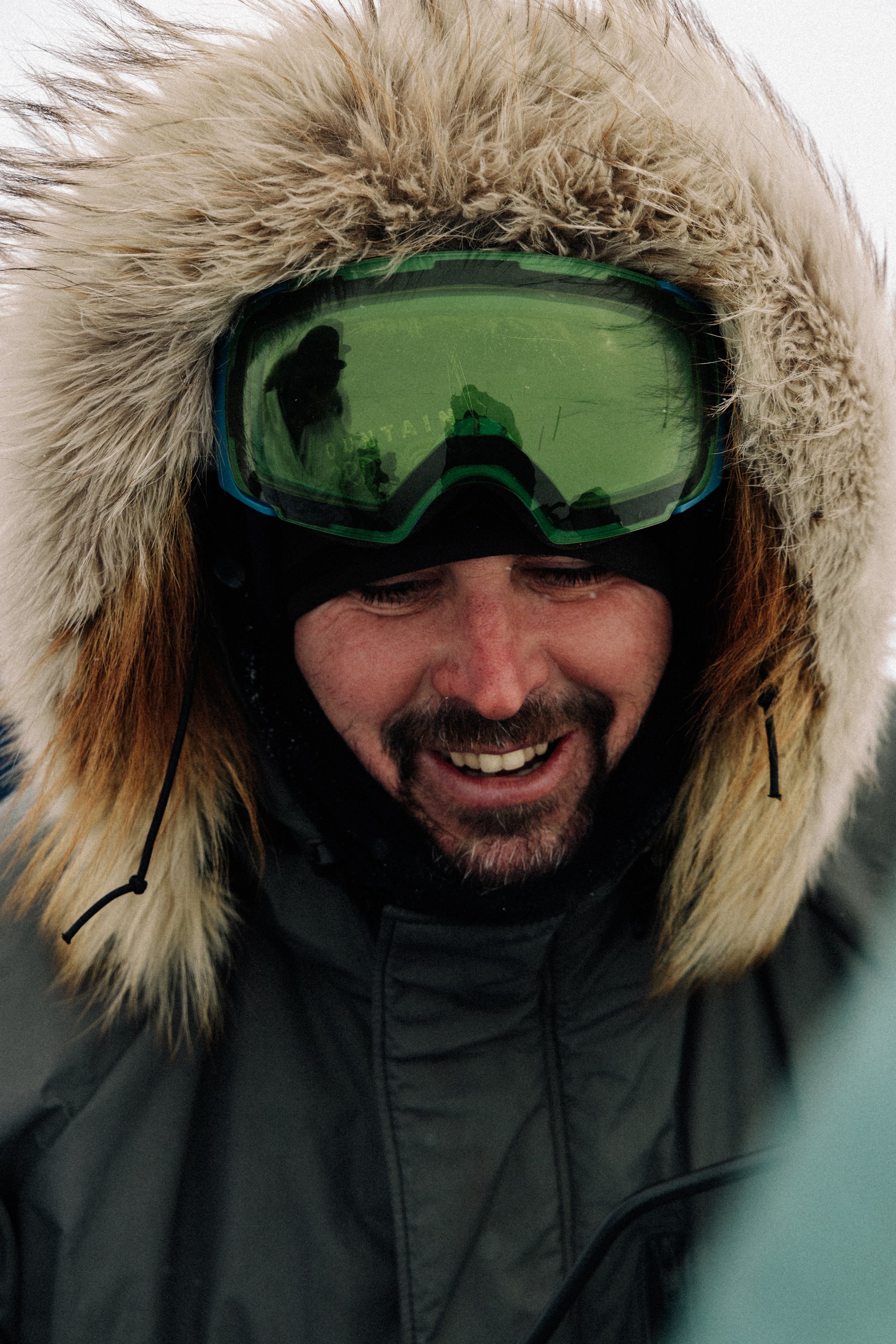
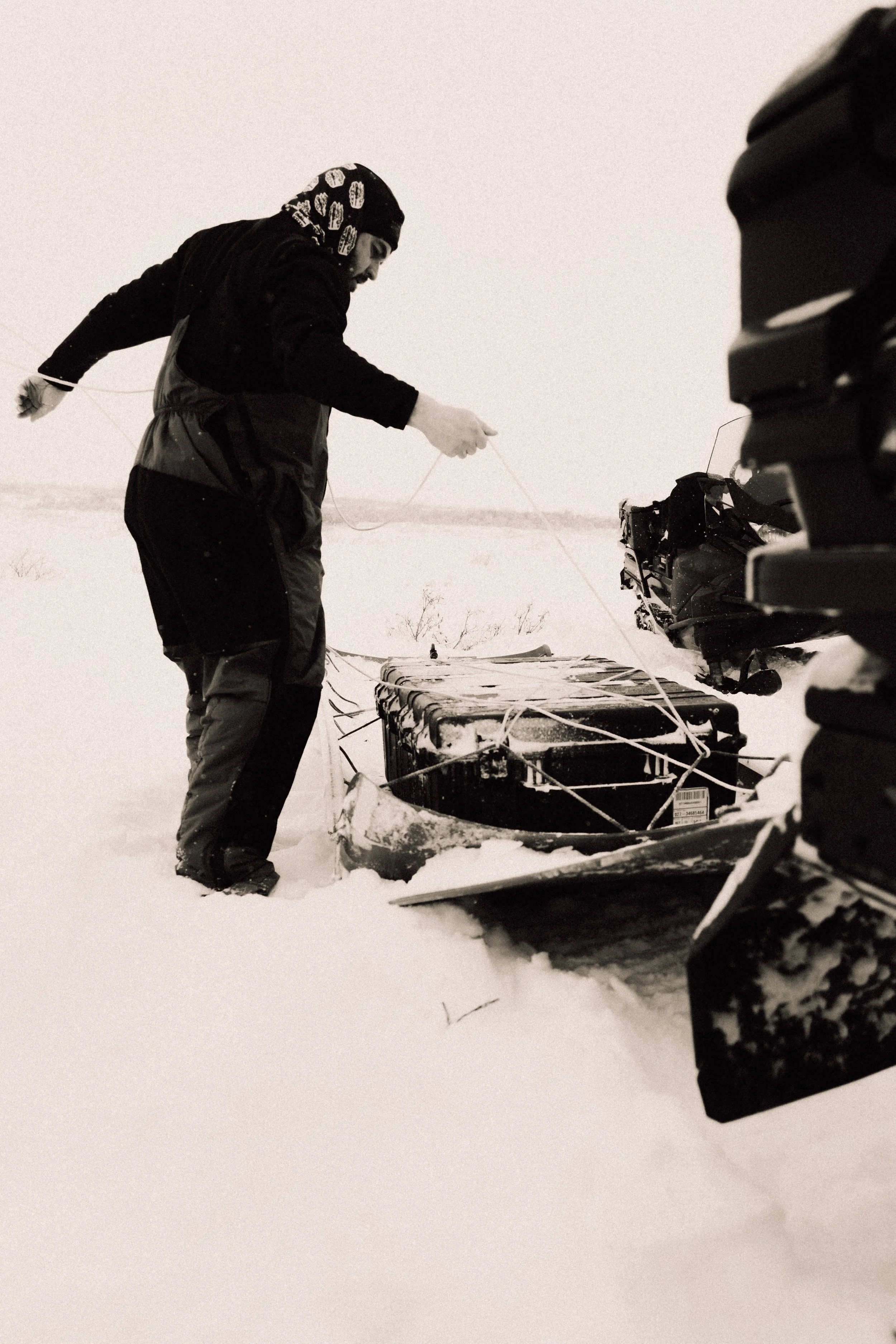
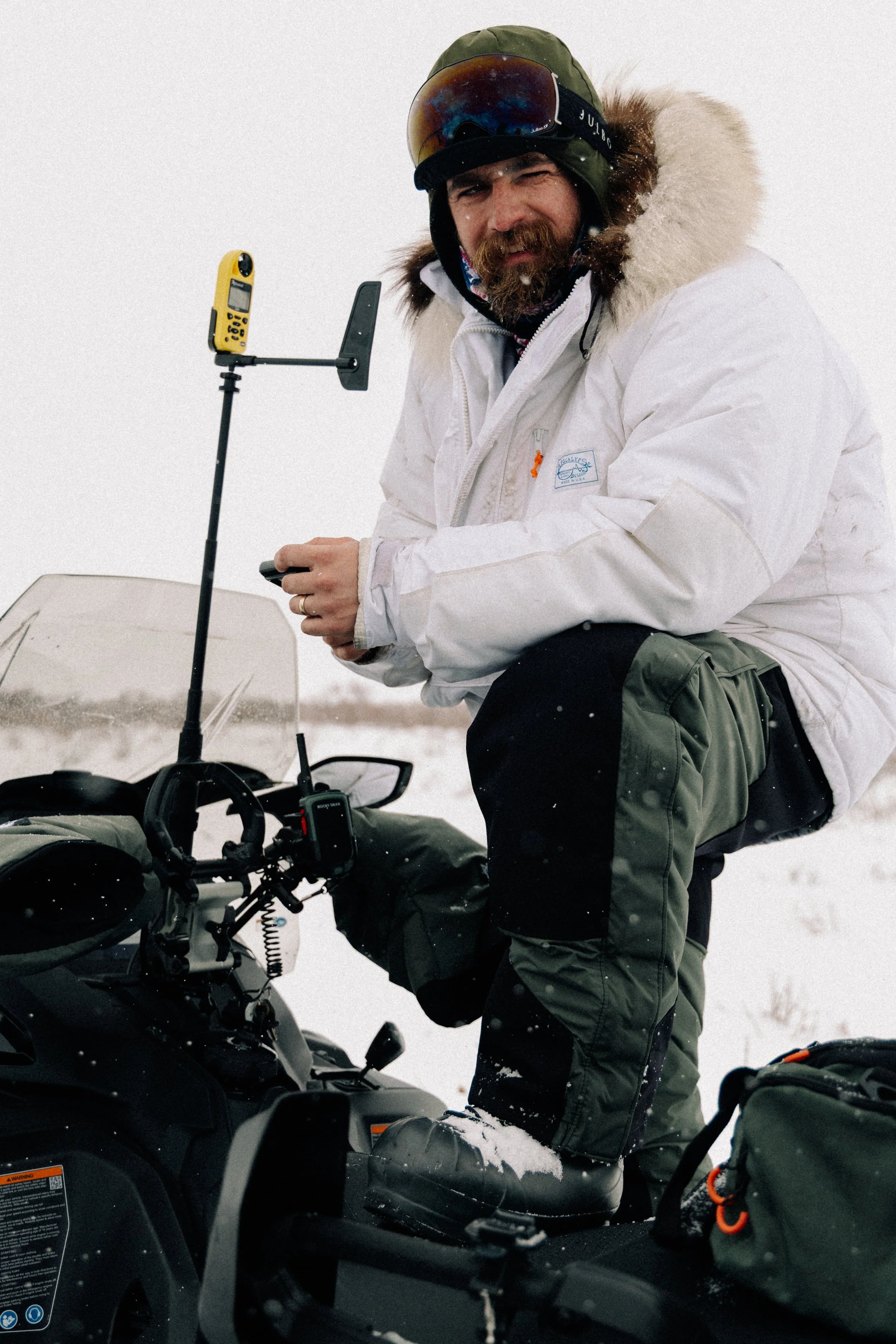
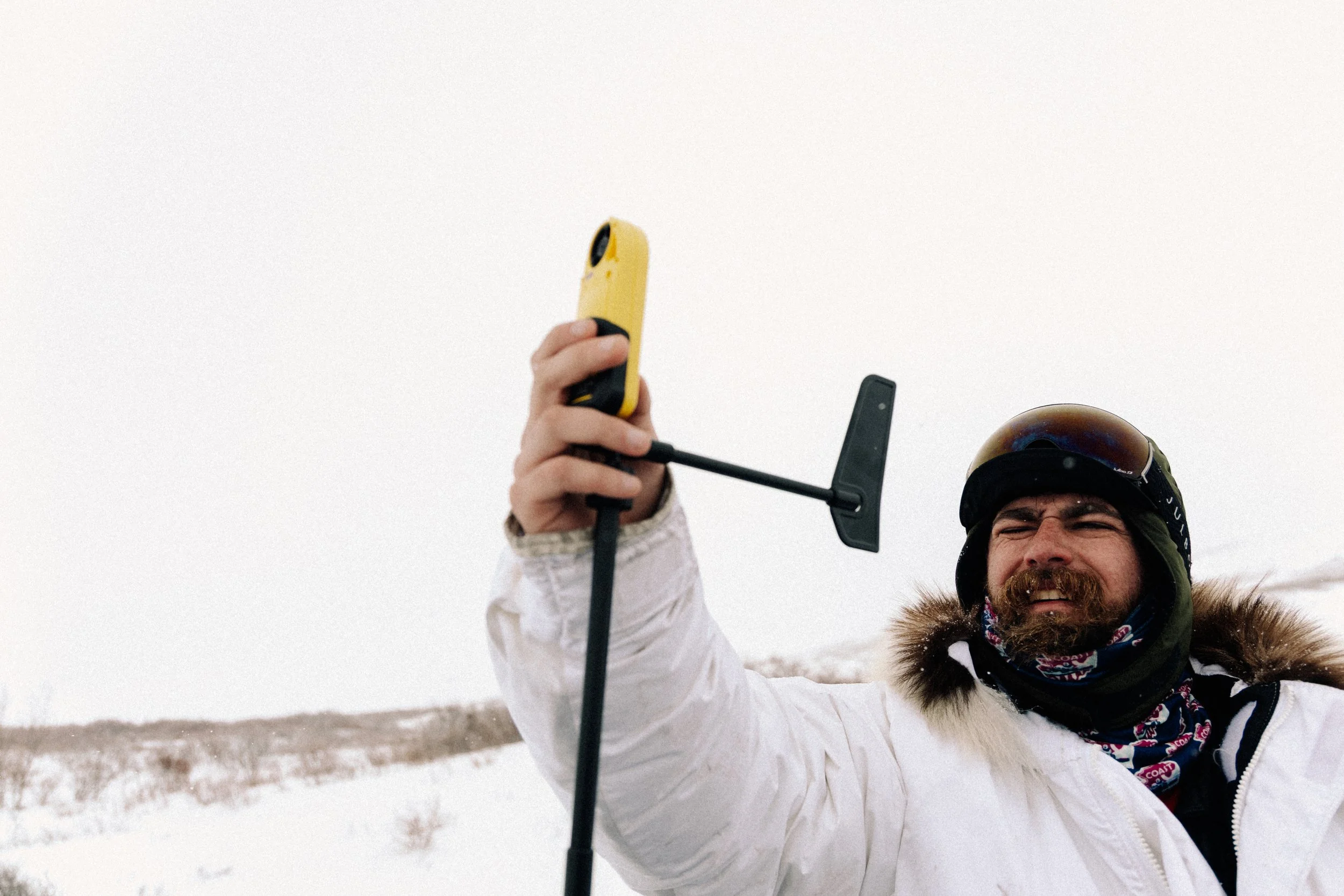
While in Nome, I got to hear stories from the team about what life looks like on an expedition like that. One story that stayed with me came from the North Slope. After taking measurements, they still had to ride home in the dark in -60°F temperatures with added wind chill. They described riding in loops so they could periodically turn their faces away from the wind for a moment of relief before facing back into it and continuing toward the village. They still experienced severe frost bite.
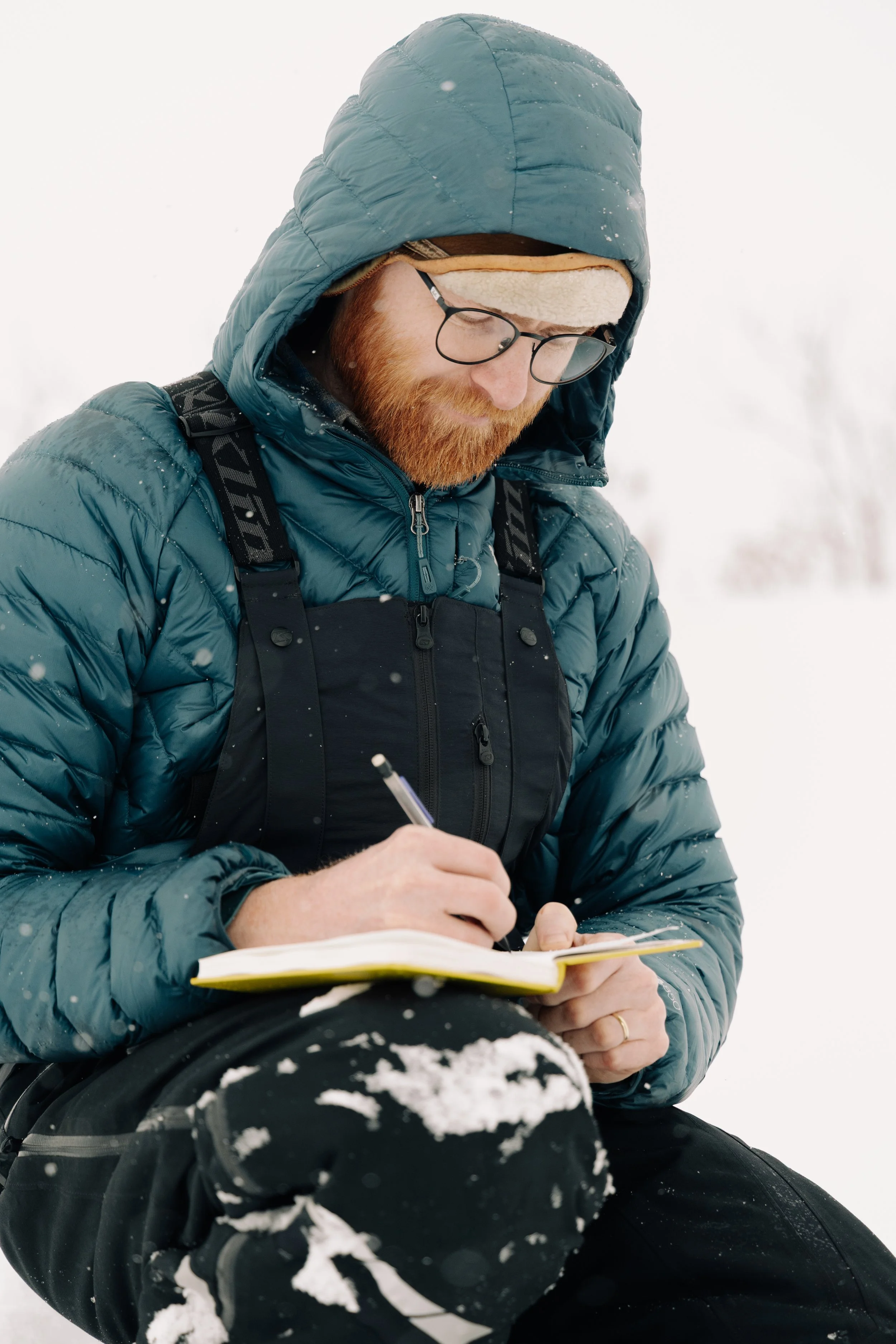
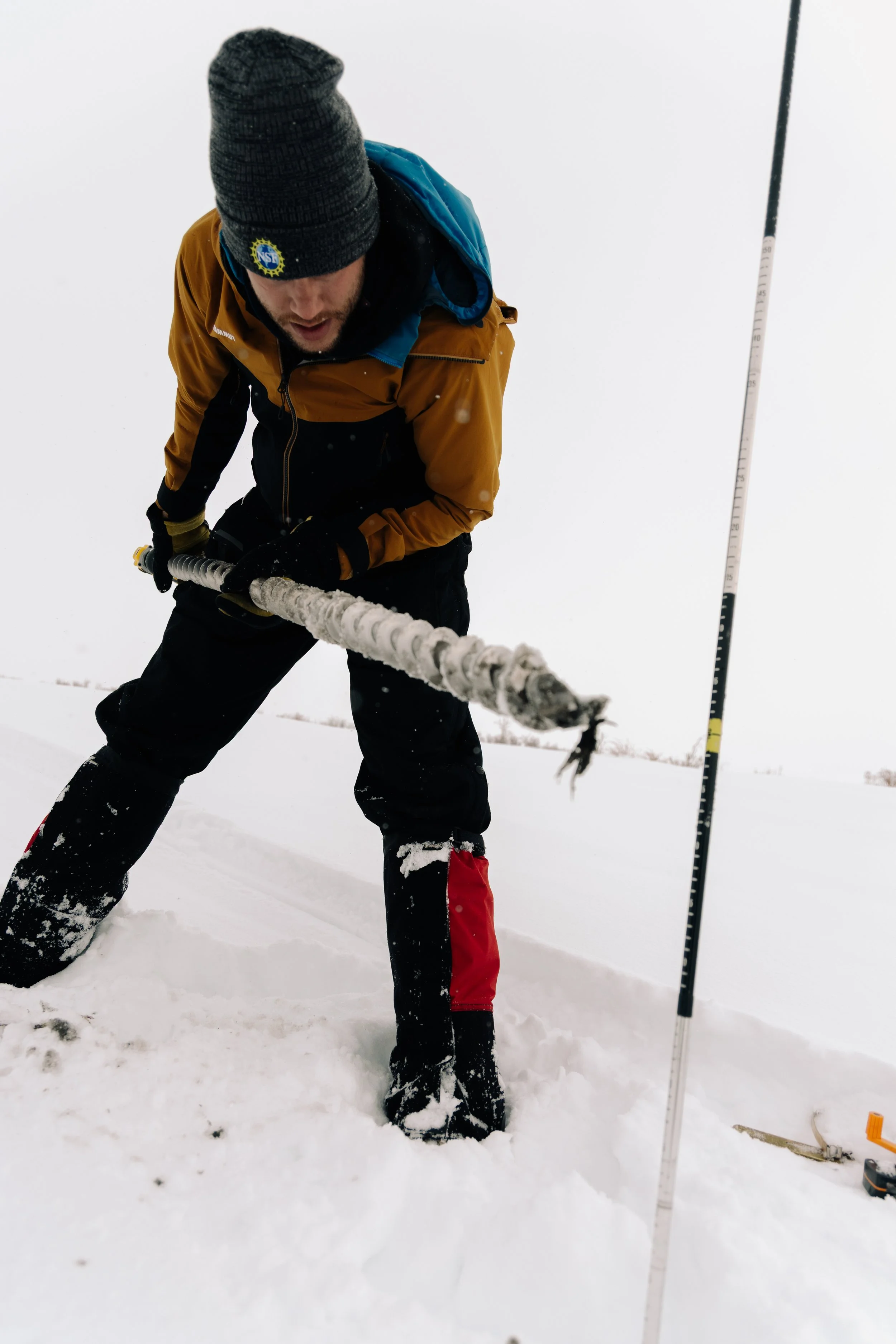
During my time there, I also joined a separate UAF research group studying Arctic beaver expansion, led by researchers Tom Glass, Ken Tape, and Sebastian Zavoico. Their work focuses on how beavers are moving into the tundra and reshaping the landscape through ponds, water movement, and changing habitat.
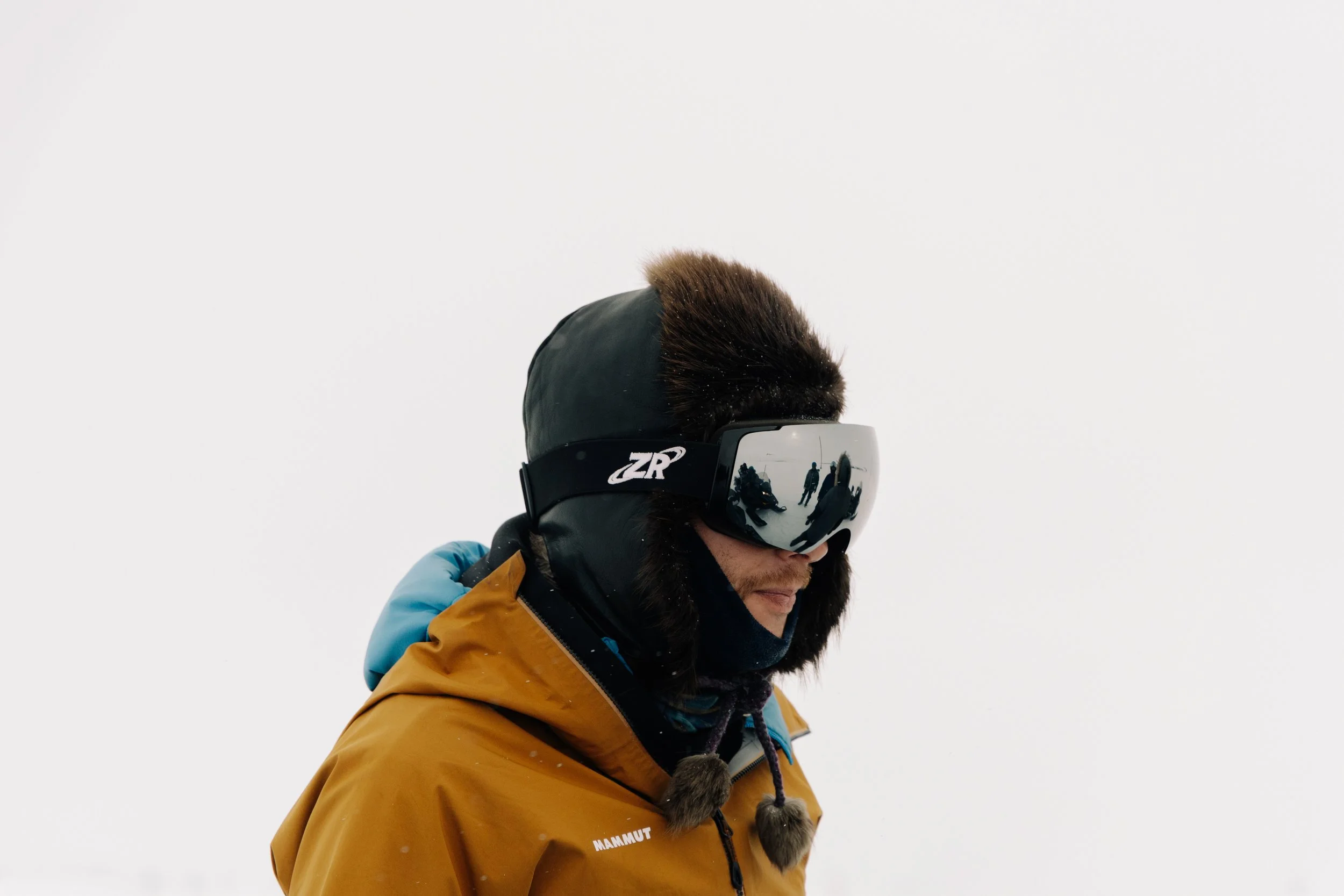
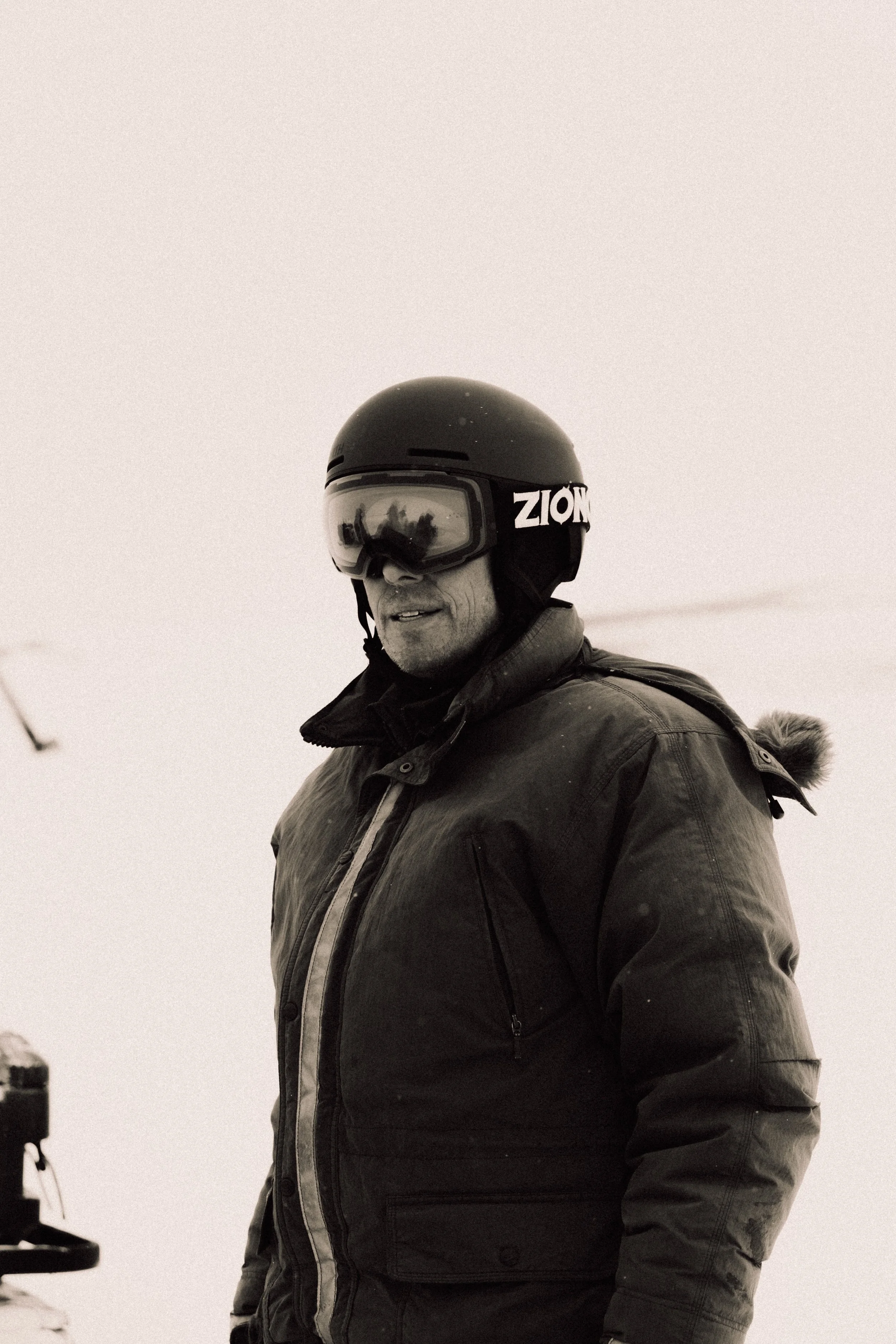
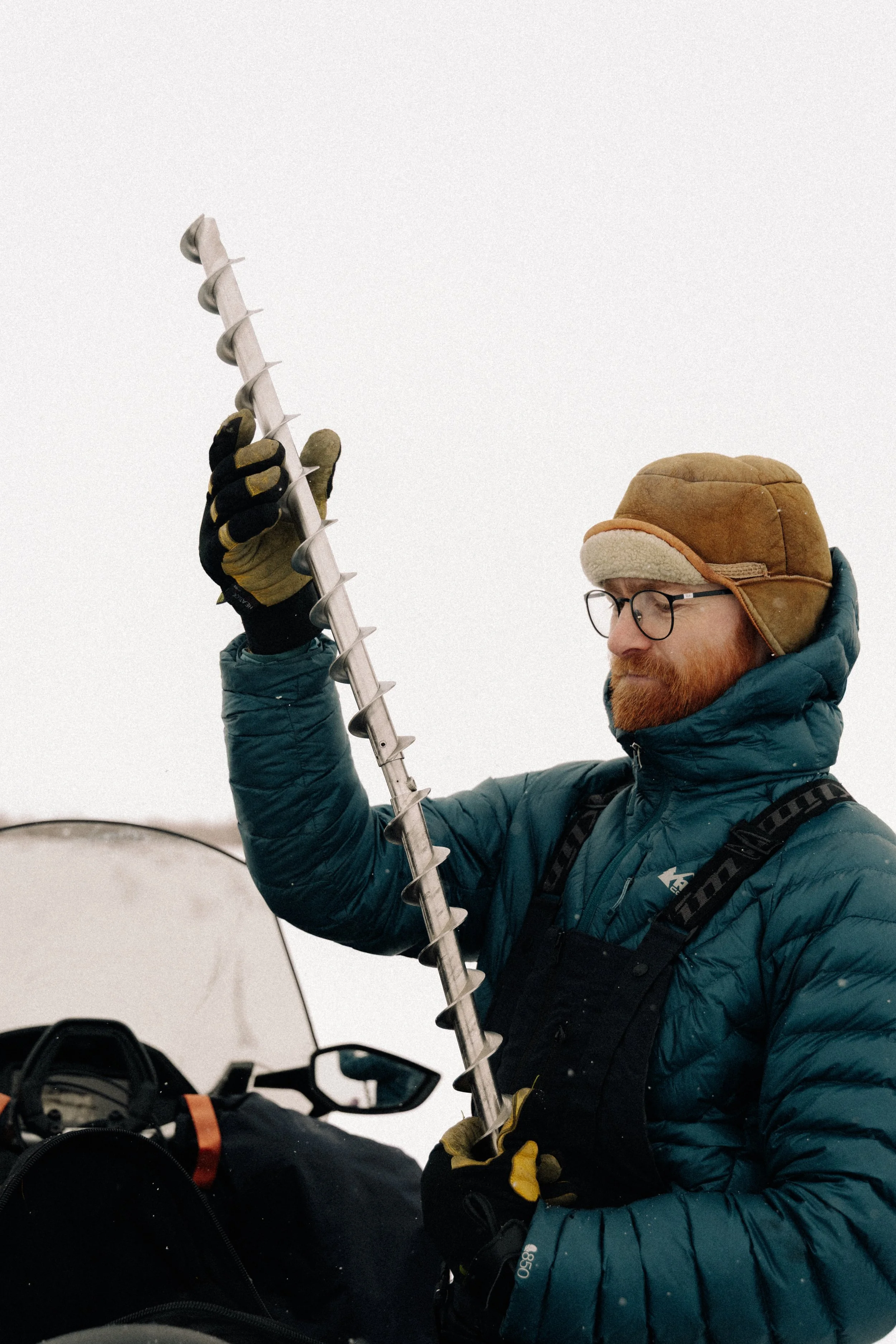
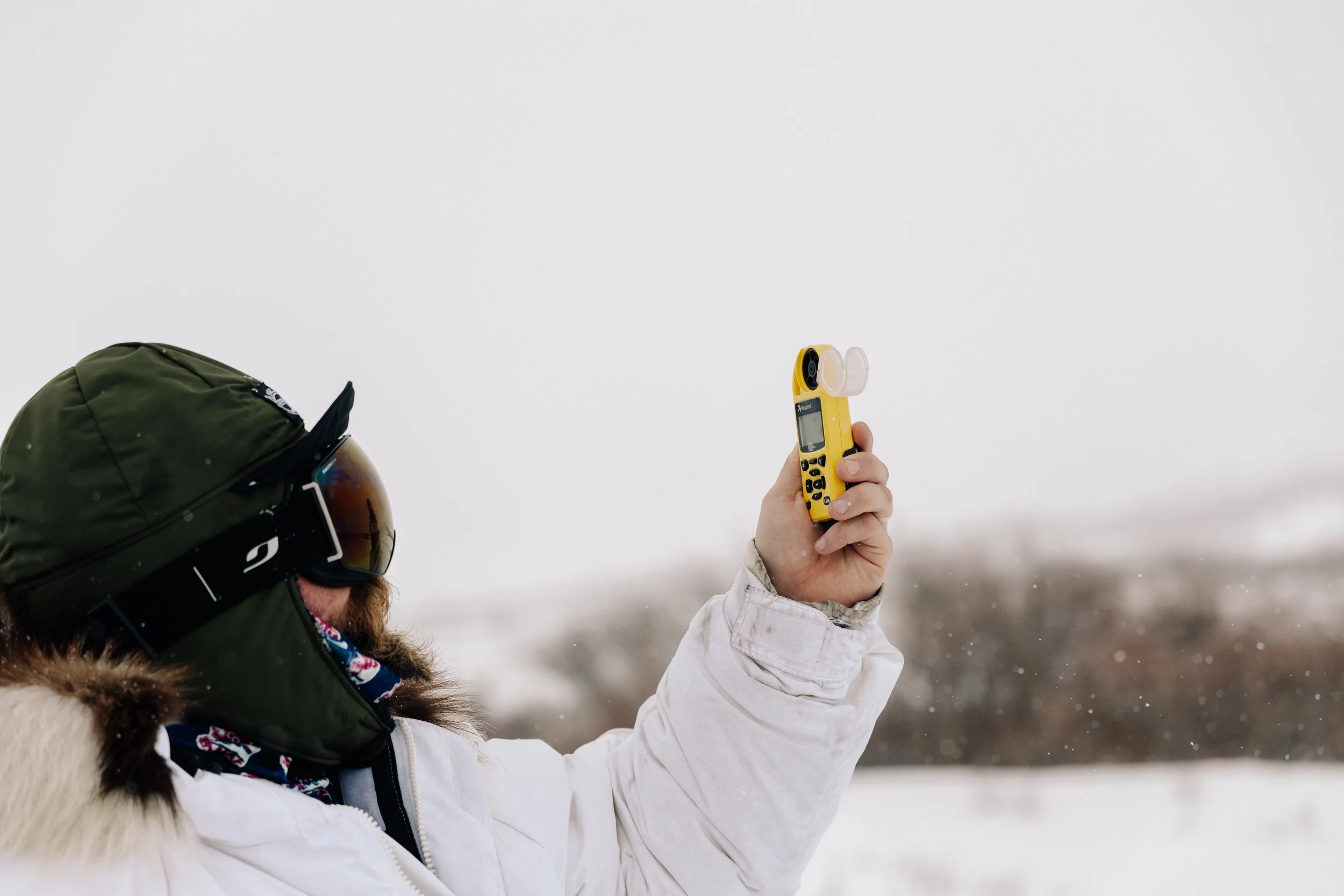
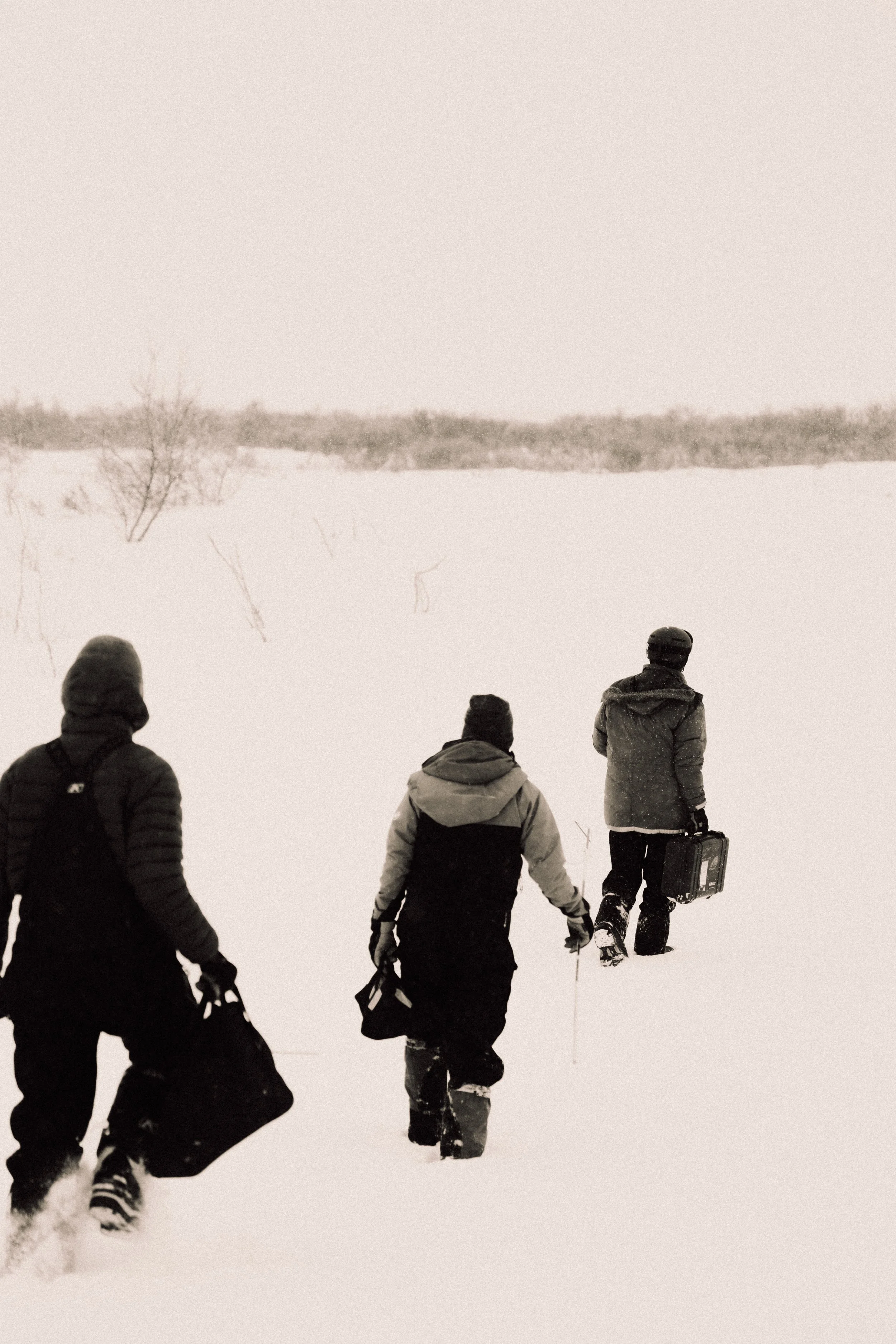
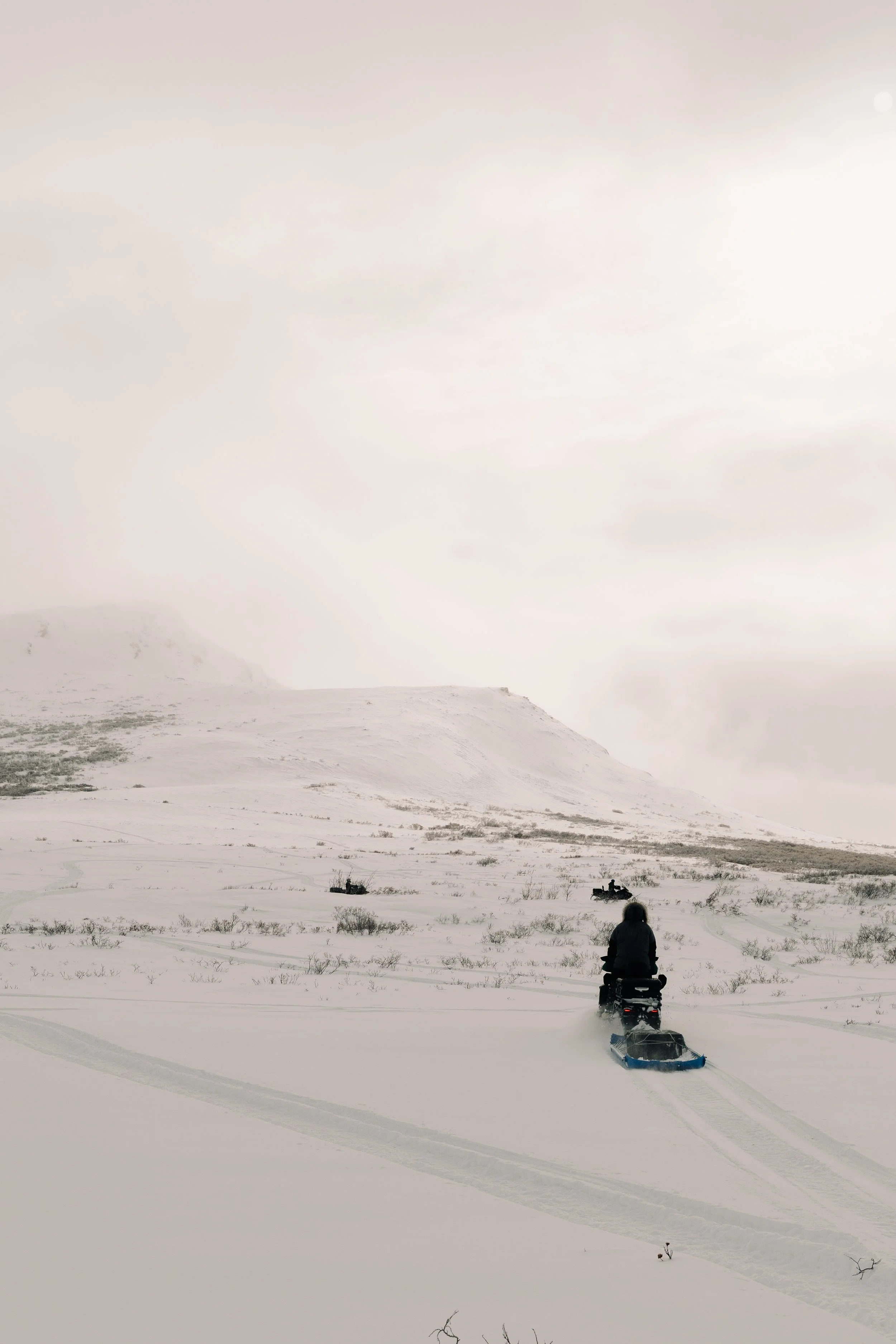
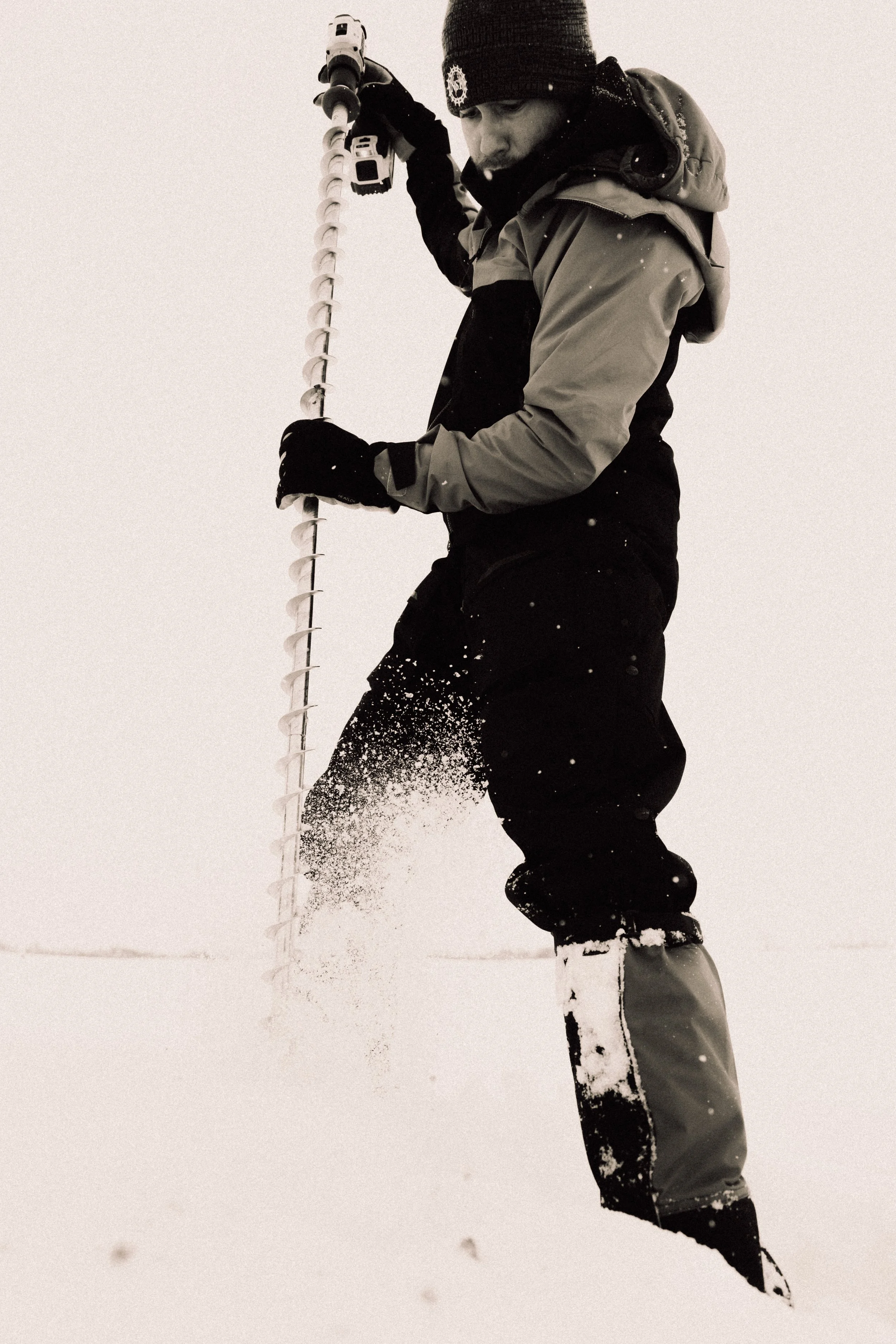
We rode out to frozen beaver habitat where the team was taking measurements and documenting how these animals are changing the tundra in real time.
What was especially interesting was seeing how the two projects overlap. While their work is distinct, the teams collaborate, share knowledge, and contribute to a broader understanding of a changing Arctic through UAF.
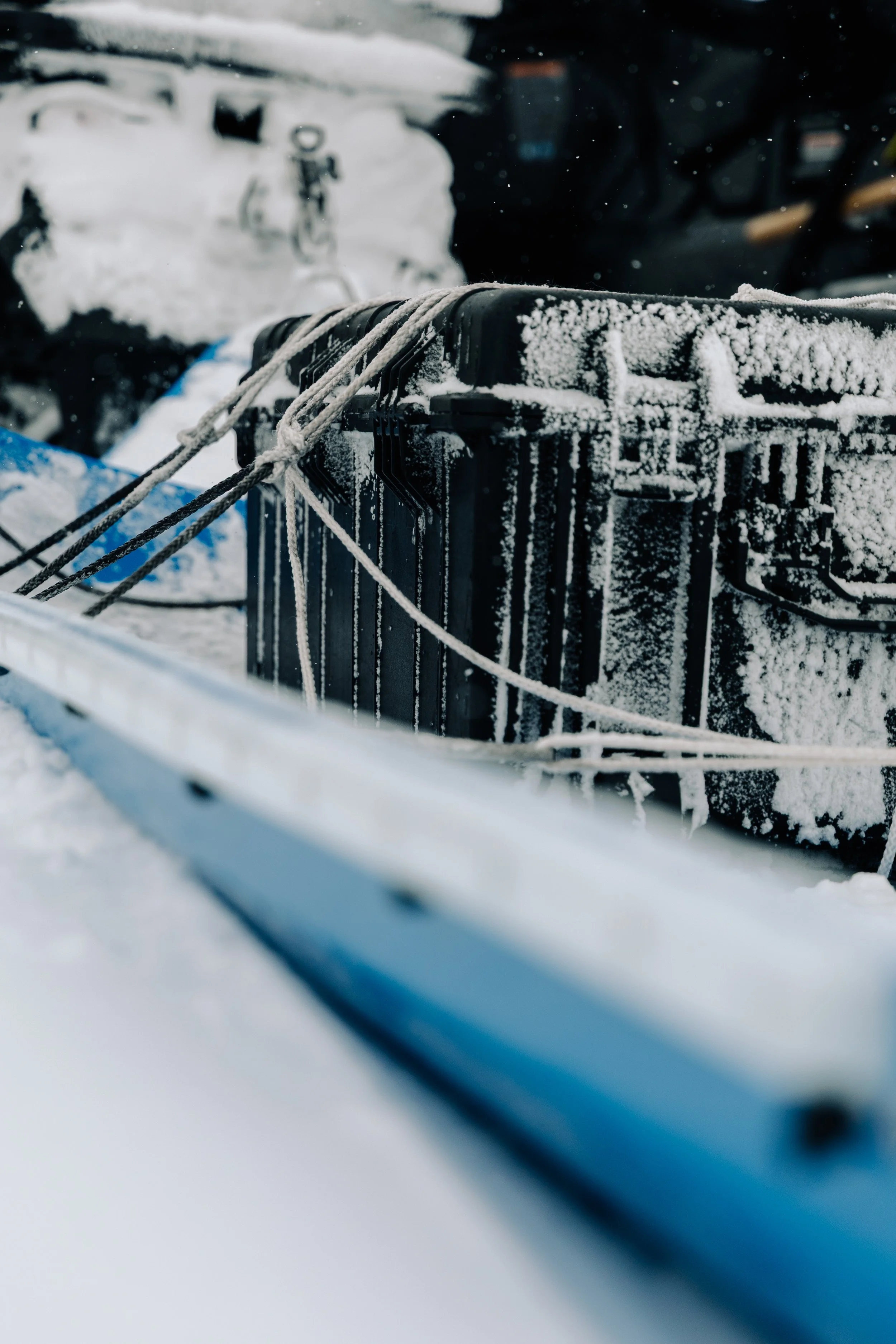
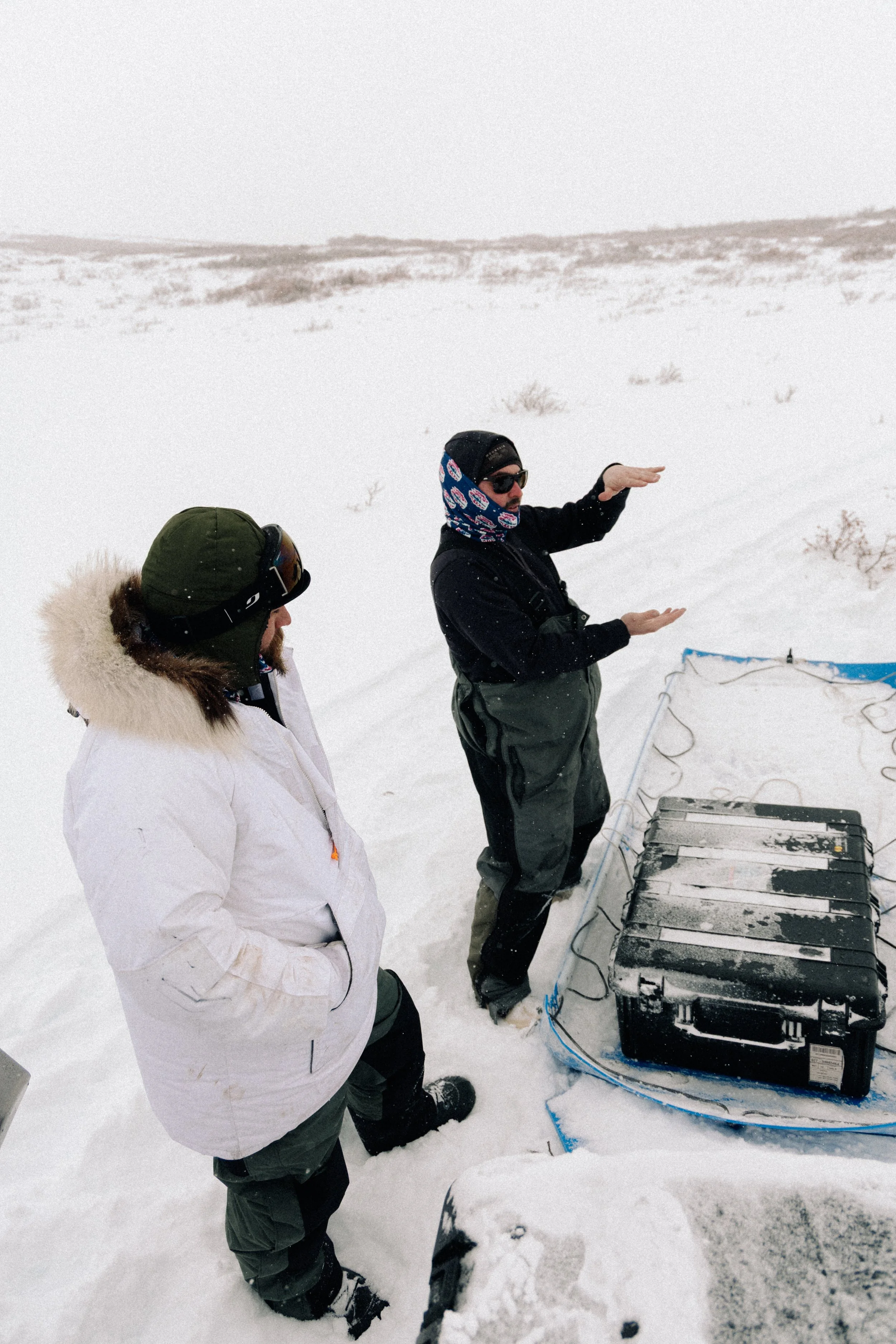
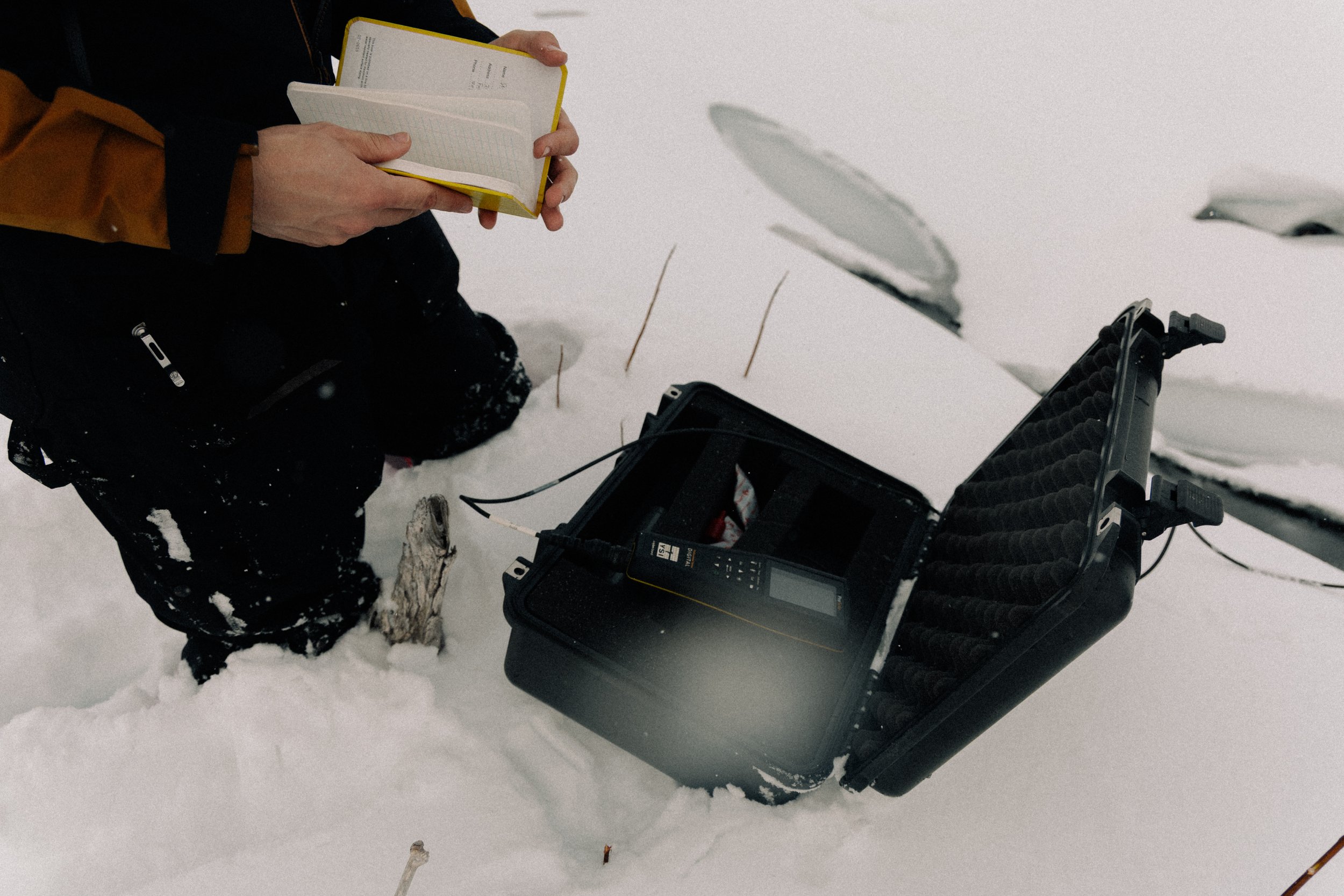
We also brought along radar-based research equipment used to read permafrost layers beneath the tundra, technology utilized by the COAST-X team in their own fieldwork. Seeing different disciplines connect in the field gave me a much better appreciation for how interconnected this work really is.
What stood out most to me was the depth of knowledge these teams carried. They understood not only their own area of study, but how tundra, permafrost, hydrology, wildlife, and vegetation all influence one another. They were patient enough to explain it all to me, someone who came in with little more than one YouTube video’s worth of knowledge on beavers, and it was humbling to witness.
Beyond the science, I was especially impressed by how much they value the communities along their route. They stop in villages, share what they’re learning, and listen to the people experiencing these environmental changes firsthand every day. That willingness to combine formal research with local knowledge adds a powerful depth to the work they’re doing.
Getting to witness even a small part of it left me incredibly grateful. The collaboration, curiosity, and commitment behind this kind of research is something I won’t forget.